Unlocking Creative Potential with Geometric Shield Shape SVG Artwork
In the ever-evolving world of digital design and handmade crafts, finding the perfect visual element can make all the difference between a good project and a great one. Among the myriad of shapes available to creators, the geometric shield shape stands out as a timeless symbol of strength, protection, and identity. Whether you are a seasoned graphic designer, a passionate crafter, or a small business owner looking to establish a brand, understanding how to utilize these digital graphics elements is essential. This guide explores the versatility, technical specifications, and practical applications of high-quality geometric shield artwork, helping you integrate it seamlessly into your creative workflow.
The Symbolism and Significance of the Shield in Modern Design
Before diving into the technical aspects of file formats and resolutions, it is important to understand why the shield remains such a popular motif. Historically, shields represented defense and honor. In modern branding and art, this symbolism has evolved. Today, a geometric shield often conveys trust, security, and reliability. It is frequently used in logos for law firms, security companies, insurance agencies, and even educational institutions.
However, the appeal of the shield extends beyond corporate identity. In personal projects, such as invitations or wall art, a stylized geometric shield adds a touch of sophistication and structure. The use of clean lines and angular geometry appeals to contemporary aesthetics, fitting perfectly within the minimalist and modern design trends that dominate social media and interior decor today. By choosing a geometric variation rather than a traditional heraldic crest, designers can create something that feels fresh and innovative while retaining the core message of stability.
Understanding the Technical Specifications
When purchasing or creating digital assets for professional use, the technical details matter just as much as the visual design. A high-quality geometric shield shape package typically comes with specific attributes designed to ensure maximum flexibility across different mediums. Let's break down what makes a premium asset useful for both screen and print.
Vector Precision and Scalability
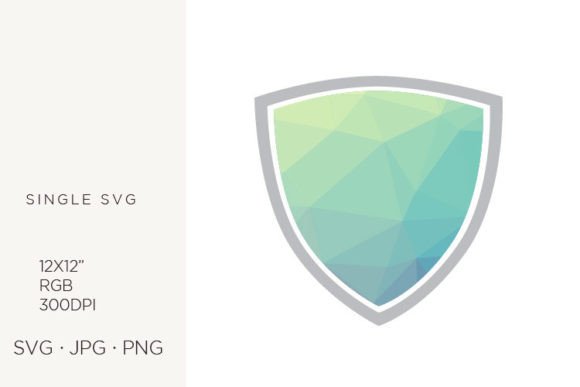
The cornerstone of any professional design file is the vector format. In this context, the primary file is an SVG (Scalable Vector Graphics) file created in Adobe Illustrator. Unlike raster images (such as JPEGs) which are made of pixels and lose quality when enlarged, vector files are based on mathematical paths. This means you can scale the geometric shield up to the size of a billboard or down to the size of a favicon without any loss of clarity or sharpness. For designers working on large-scale prints or intricate cut files for vinyl machines, this scalability is non-negotiable.
Resolution and Color Modes
While vectors handle scaling, the included raster files cater to immediate web and print needs. The package includes a JPG file at 300 DPI. This resolution is the industry standard for high-quality printing. Whether you are sending a design to a commercial printer for business cards or using a home printer for stationery, 300 dots per inch ensures that the colors are crisp and the edges are smooth. Furthermore, the color palette is set to RGB, which is optimized for digital screens, ensuring vibrant display on websites, apps, and social media platforms.
The Importance of Transparency
A critical component of the download is the PNG file with a transparent background. In graphic design, having a white box around your image limits where you can place it. A transparent PNG allows you to overlay the geometric shield onto photos, colored backgrounds, or complex textures without unsightly borders. This is particularly vital for web design, where layering elements creates depth and visual interest.
Practical Applications Across Industries
The true value of a versatile digital asset lies in its adaptability. The 12x12-inch artboard size provides a generous canvas for creativity, making the geometric shield suitable for a wide array of projects. Here is how different creators can leverage these files.
Logo Design and Branding
For entrepreneurs and startups, a logo is the face of the business. Using a pre-designed geometric shield shape as a base can save hours of drafting time. You can customize the internal patterns, add typography, and adjust the color scheme to match your brand guidelines. Because the file is a vector, you can easily manipulate anchor points in Adobe Illustrator to tweak the shape slightly, ensuring your final logo is unique while maintaining professional proportions.
Handmade Crafts and Vinyl Cutting
The rise of DIY culture has made tools like Cricut and Silhouette Cameo incredibly popular. These machines rely heavily on SVG files to cut vinyl, cardstock, and wood. The geometric shield shape is perfect for creating custom decals for laptops, water bottles, or car windows. Crafters can also use the design to stamp onto fabric for t-shirts or tote bags, adding a personalized touch to handmade goods sold at markets or online stores.
Stationery and Invitations
Wedding planners and event organizers often need cohesive designs for announcements, party decor, and invitation cards. The structured nature of a shield shape frames text beautifully. Imagine a wedding invitation where the couple's initials are nestled inside a delicate geometric shield, printed on heavy cardstock. The 300 DPI JPG ensures that when printed, the ink lays down smoothly, providing a premium feel to the paper items.
Wall Art and Home Decor
Interior design trends often favor bold, graphic statements. Large-scale prints of geometric shields can serve as striking focal points in a living room or office. Since the artwork is available in high resolution, it can be printed on canvas, metal, or acrylic without pixelation. Artists can also experiment with the RGB color palette to create variations that match specific room themes, from monochromatic minimalism to vibrant pop-art styles.
Common Misunderstandings About Digital Assets
Despite the benefits, there are some common misconceptions regarding digital downloads that beginners should be aware of. One frequent assumption is that "vector" means "editable in any program." While SVG is a universal standard, advanced editing capabilities—such as modifying individual paths or adjusting stroke weights—are best achieved in professional vector software like Adobe Illustrator or Affinity Designer. Free viewers may open the file but won't allow for deep customization.
Another misunderstanding concerns color modes. Some users expect a single file to work perfectly for both web and print. However, as noted earlier, RGB is for screens, while CMYK is often required for professional offset printing. While the provided 300 DPI JPG is excellent for digital proofs and home printing, commercial printers may ask for a converted CMYK version for large runs. Understanding this distinction prevents color shifts in the final product.
Building Your Creative Workflow
Integrating a geometric shield shape into your workflow requires a bit of planning but offers significant rewards. Start by unzipping the file package to access the three distinct formats. Use the SVG for any project requiring resizing or cutting. Utilize the PNG for quick web mockups or social media posts where speed is key. Finally, reserve the high-resolution JPG for print-ready documents where color accuracy and detail are paramount.
By mastering the use of these digital graphics elements, you empower yourself to produce professional-grade results without needing to draw every line from scratch. This efficiency allows you to focus more on the creative strategy and less on the technical execution. Whether you are designing a logo for a new tech startup or crafting a heartfelt birthday card, the geometric shield shape offers a robust foundation for your artistic expression.
Conclusion
The geometric shield shape is more than just a design trend; it is a functional tool that bridges the gap between digital innovation and tangible craft. With its precise vector construction, high-resolution raster options, and versatile application range, it serves as an indispensable asset for designers, artists, and makers alike. By understanding the nuances of file formats and the symbolic power of the shape, you can elevate your projects to new heights of professionalism and creativity. Embrace these digital elements to build a portfolio that is not only visually stunning but also technically sound.