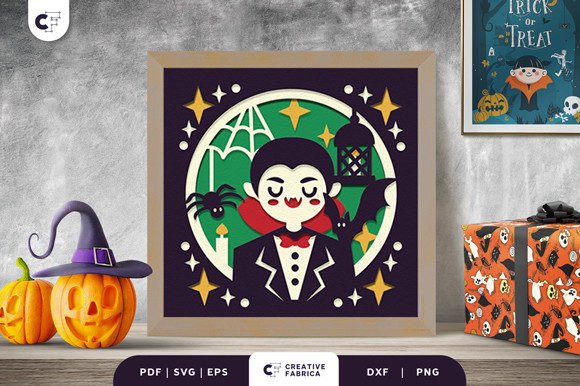
Mastering the Art of Spooky Elegance: The Vampire and Spider Web 3D Shadow Box
In the evolving landscape of digital crafting and home decor, few trends have captured the imagination quite like the resurgence of intricate paper art. Among the most compelling designs to emerge in recent years is the Vampire and Spider Web 3D Shadow Box. This creation represents more than just a seasonal decoration; it is a convergence of traditional papercraft techniques, modern digital fabrication, and the growing consumer desire for personalized, handcrafted aesthetics. For professionals, creators, and enthusiasts alike, understanding the mechanics and market appeal of this design offers valuable insights into current creative workflows and consumer behavior.
The Intersection of Digital Precision and Analog Charm
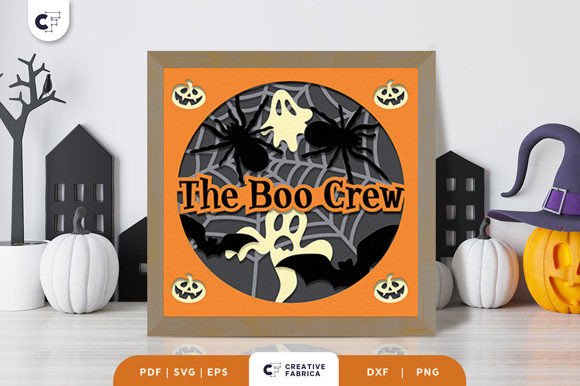
The Vampire and Spider Web 3D Shadow Box serves as a prime example of how digital tools are enhancing analog hobbies. At its core, this project utilizes layered paper cuts to create depth, transforming a flat image into a tangible scene that plays with light and shadow. The design features a whimsical yet eerie narrative: a cute vampire residing within a mansion, surrounded by flickering candles, fluttering bats, and intricate spider webs. This juxtaposition of "cute" and "creepy" taps into a specific aesthetic known as "cozy horror," which has gained significant traction in interior design and lifestyle marketing.
For the modern creator, the workflow begins with a digital file. Unlike traditional crafting that relies on freehand cutting, this process leverages precision cutting machines. The ability to download high-resolution files in formats such as SVG, PDF, EPS, PNG, and DXF ensures compatibility with a wide range of hardware, from hobbyist cutters to professional plotters. This accessibility lowers the barrier to entry, allowing freelancers and entrepreneurs to produce high-quality goods without needing extensive manual dexterity or expensive tooling beyond the initial machine investment.
Why the Market is Embracing Layered Paper Art
The surge in popularity of the Vampire and Spider Web 3D Shadow Box is not accidental. It aligns with broader industry shifts toward experiential consumption and the "maker movement." Consumers today are increasingly weary of mass-produced, plastic holiday decorations. Instead, they seek items that tell a story, possess texture, and reflect personal effort. A 3D shadow box provides a focal point for a room, offering a dynamic visual experience that changes as the viewer moves around it or as the lighting shifts.
Furthermore, the design fits perfectly into the "slow living" trend. In a fast-paced digital world, the act of assembling a multi-layered paper cut—gluing, taping, and framing—is a meditative process. For businesses targeting the craft demographic, offering these designs caters to a desire for mindfulness and tangible achievement. The final product, whether kept by the maker or sold as a finished piece, carries an inherent value proposition: it is unique, customizable, and deeply atmospheric.
Deconstructing the Design: Layers, Materials, and Execution
To truly appreciate the craftsmanship involved, one must look at the technical specifications. The Vampire in the Mansion design typically consists of six distinct layers, each contributing to the overall depth and narrative. The base layer sets the scene, often depicting the dark silhouette of the mansion or the night sky. Subsequent layers introduce the spider webs, the bats, the candles, and finally, the central character—the vampire. This stratification creates a parallax effect, where elements appear to float at different distances from the glass, mimicking a three-dimensional diorama.
The choice of materials is critical to the success of the project. While the digital file provides the blueprint, the physical medium dictates the final quality. Professional results are best achieved using high-grade cardstock. Specifically, Encore Cardstock 80 lb cover (216 gsm) is highly recommended for this application. This weight is substantial enough to hold its shape without curling, yet thin enough to allow for clean cuts and precise layering. Using lighter paper can result in flimsy structures that collapse under their own weight, while heavier stock may struggle with intricate details like the delicate strands of a spider web.
Click here to visit 12x12 Cardstock Shop to source premium materials that ensure your projects stand out. This link supports our content at no extra cost to you.
Optimizing the Assembly Workflow
Creating a stunning Vampire and Spider Web 3D Shadow Box requires a methodical approach. Efficiency in the assembly line is crucial for creators who wish to scale their production for markets or Etsy shops. Here is a practical workflow optimized for both beginners and seasoned professionals:
- File Preparation and Cutting: Select the appropriate design file based on your machine's capabilities. Ensure the SVG or DXF file is scaled correctly to fit your intended frame size. The standard size for this design is 20.32 x 20.32 cm, which fits comfortably into standard 8x8 inch frames.
- Frame Selection: Choose a shadow box frame that accommodates the depth of the six layers. A deep-set frame is essential to prevent the layers from touching the glass, which would ruin the illusion of depth.
- Base Placement: Begin by placing the last layer (the background) at the bottom of the frame. Secure it lightly if necessary, but ensure it lies perfectly flat.
- Layering Technique: Add subsequent layers one by one. Use double-sided tape or a glue dot system rather than liquid glue to avoid warping the paper. Consistency in spacing between layers is key to achieving a uniform look.
- Lighting Integration: The true magic of a shadow box happens when lit. Consider adding battery-operated LED tea lights behind the candle layers or using external directional lighting to cast shadows through the spider webs.
- Final Assembly: Once all layers are secured and aligned, close the shadow box. Ensure the seal is tight to keep dust out, preserving the pristine condition of the paper art.
Strategic Insights for Creators and Entrepreneurs
For those looking to monetize this trend, the Vampire and Spider Web 3D Shadow Box offers diverse revenue streams. Beyond selling the physical finished product, there is a robust market for the digital files themselves. As the DIY community grows, so does the demand for ready-to-cut designs that save time and offer professional-grade complexity. Selling the SVG, PDF, and EPS files allows creators to reach a global audience with zero shipping costs, making it an ideal model for digital entrepreneurs.
Moreover, the versatility of the design extends beyond Halloween. While the theme is inherently spooky, the aesthetic of gothic elegance and vintage charm appeals year-round to fans of fantasy literature, horror movies, and alternative fashion. By positioning the product as a piece of "dark academia" decor rather than just a holiday item, marketers can extend the sales cycle and increase customer lifetime value.
It is also important to address the nuances of color management. As noted in the design specifications, images provided for preview purposes are indicative only. The final product's appearance will vary slightly due to lighting sources and the specific batch of paper used. This variability is not a flaw but a feature of artisanal goods. Educating customers about the natural variations in handmade products builds trust and manages expectations. When using Encore Cardstock, the color vibrancy and opacity are generally superior, but creators should always test their cuts under the lighting conditions where the final piece will be displayed.
The Future of Personalized Home Decor
Looking forward, the integration of smart lighting and interactive elements could further evolve the 3D shadow box concept. Imagine a Vampire and Spider Web 3D Shadow Box connected to a smart home system, where the internal LEDs dim or change color based on the time of day or ambient noise levels. While we are currently in the realm of static paper art, the foundation laid by these intricate designs prepares the market for more sophisticated, tech-infused decor.
Ultimately, the enduring appeal of this project lies in its ability to blend nostalgia with innovation. It honors the tradition of paper cutting while embracing the efficiency of digital manufacturing. For the professional crafter, the marketer, or the enthusiastic hobbyist, mastering the Vampire and Spider Web 3D Shadow Box is not just about creating a pretty picture; it is about participating in a cultural shift toward thoughtful, personalized, and beautifully crafted living spaces. Whether you are building a business around digital downloads or crafting a unique gift for a loved one, the potential for creativity and connection remains limitless.