Evaluating the Boston City Skyline Silhouette Vector for Design Projects
When selecting visual assets for a project centered on Massachusetts or urban aesthetics, the Boston City Skyline Silhouette Vector stands out as a versatile and foundational resource. Unlike raster images that degrade when resized, vector art maintains crisp edges at any scale, making it an essential tool for designers working across print and digital mediums. This specific asset captures the iconic profile of downtown Boston, distilling complex architectural details into a clean, recognizable outline. For professionals and hobbyists alike, understanding the specific utility, format advantages, and limitations of this silhouette style is crucial before integrating it into a broader creative workflow.
The Distinctive Nature of Silhouette Vector Art
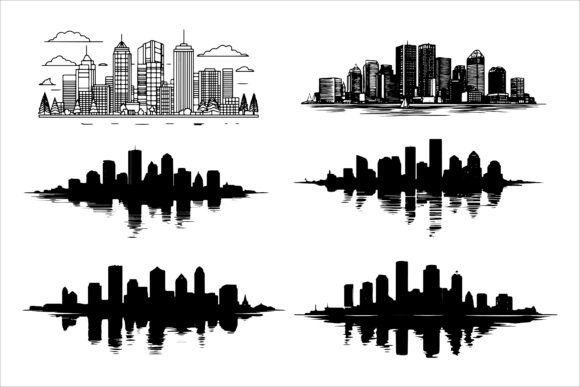
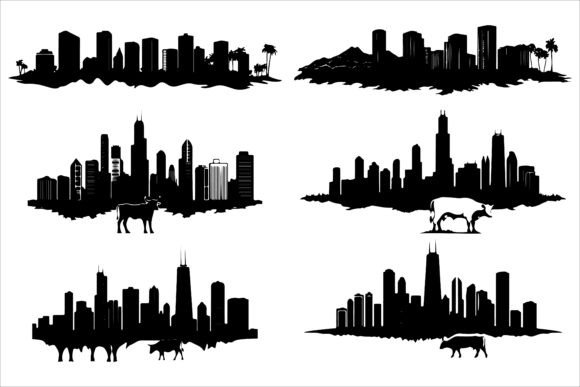
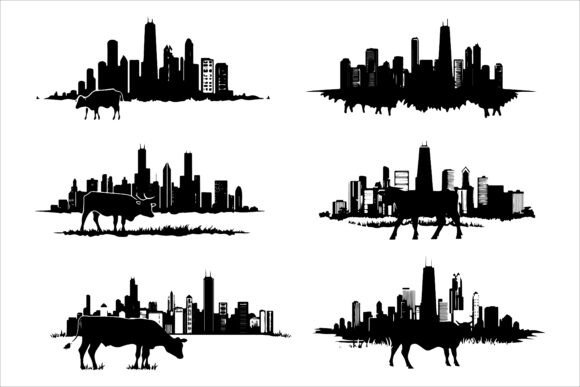
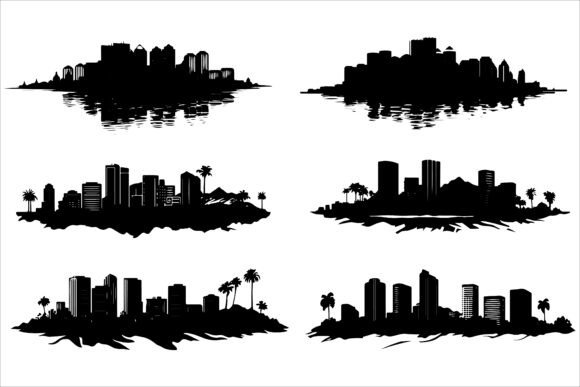
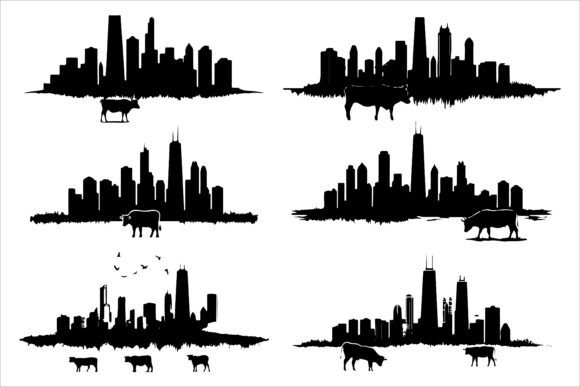
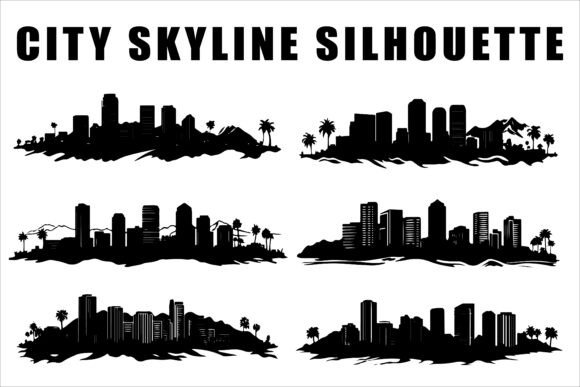
The primary distinction of a Boston City Skyline Silhouette Vector lies in its abstraction. Rather than attempting to replicate every window, brick, or texture of the city's historic and modern buildings, this style focuses on the horizon line and the unique massing of structures like the Prudential Tower, the John Hancock Tower, and the distinctive dome of the State House. This minimalist approach offers significant flexibility. By removing color and intricate detail, the design becomes a neutral canvas that can be adapted to various color palettes, lighting effects, and stylistic contexts without clashing with existing brand elements.
From a technical standpoint, the vector format (typically EPS) ensures that the file is resolution-independent. Whether the image is printed on a small business card or blown up to cover a large event banner, the lines remain sharp. This contrasts sharply with standard JPEG or PNG files found in general stock photography, which often suffer from pixelation when scaled beyond their original dimensions. The silhouette style also reduces file complexity, allowing for faster loading times on web pages while maintaining high visual impact.
Comparing Formats: Vector vs. Raster Alternatives
When evaluating options for a Boston-themed project, the choice between a vector silhouette and other formats often comes down to the intended application. A Boston City Skyline Silhouette Vector is superior for applications requiring scalability, such as apparel printing, large-format signage, and logo creation. However, if the goal is photorealism—such as a brochure showcasing the actual colors of the Charles River at sunset—a vector silhouette may feel too abstract. In those cases, a high-resolution photograph or a detailed illustration might be more appropriate.
Another common alternative is the use of pre-made raster graphics (PNGs). While PNGs offer transparency and are easy to drop into design software, they lack the editability of vectors. If a designer needs to adjust the height of a specific building or separate the skyline from the background for a layered effect, a vector file provides the necessary control. Raster alternatives often require complex masking techniques to achieve similar results, which can increase production time and reduce final quality. Therefore, the decision to invest in a vector bundle often hinges on the need for long-term adaptability rather than immediate, one-time use.
Strengths and Tradeoffs of the Silhouette Style
The strengths of the Boston City Skyline Silhouette Vector are rooted in its versatility and clarity. It serves as an instantly recognizable symbol of the city, functioning effectively even at very small sizes where details would otherwise be lost. This makes it ideal for icons, favicons, and social media avatars. Furthermore, the black-and-white nature of the base design allows it to integrate seamlessly into both dark and light themes, reducing the need for extensive color correction.
However, there are tradeoffs to consider. The minimalist aesthetic may not suit projects requiring a sense of depth, atmosphere, or historical texture. For instance, a travel guide aiming to evoke the cobblestone charm of Beacon Hill might find a stark silhouette too sterile. Additionally, while the vector format is robust, it requires compatible software (such as Adobe Illustrator or CorelDRAW) to fully utilize its editing capabilities. Users relying solely on basic photo editors may find themselves limited to using the included JPG or PNG versions, thereby missing out on the core benefits of the vector format.
Practical Applications and Use Cases
The utility of the Boston City Skyline Silhouette Vector extends far beyond simple decoration. Its adaptability makes it a staple for a wide range of commercial and personal projects. One of the most popular uses is in T-shirt designs. Because the silhouette is bold and clear, it translates exceptionally well to screen printing and heat transfer methods, ensuring the graphic remains legible after repeated washes. Similarly, for logos and branding, the skyline acts as a powerful geographic anchor for Boston-based businesses, non-profits, and local events, immediately communicating location and identity.
In the realm of physical merchandise, the file is perfect for creating souvenirs such as mugs, tote bags, and keychains. The clean lines work well with engraving and embossing techniques. For event promotions, the silhouette can serve as a striking backdrop for flyers, banners, and tickets, providing context without overwhelming the text information. Educational materials also benefit from this asset; textbooks and brochures about Boston's history or attractions can use the skyline to break up text and provide visual interest without distracting from the content.
Digital applications are equally robust. Web designers frequently use these silhouettes as header backgrounds or footer elements for Boston-focused websites. The lightweight nature of the vector file contributes to better page load speeds compared to heavy photographic backgrounds. On social media, the graphic can be easily recolored to match seasonal themes or campaign colors, keeping content fresh and engaging. Even in stationery, from custom notebooks to wedding invitations, the skyline adds a sophisticated, localized touch.
Decision Factors: When to Choose This Asset
Determining whether the Boston City Skyline Silhouette Vector is the right choice depends largely on the project's scope and longevity. If the design requires frequent resizing, recoloring, or integration into different layouts, the vector format is the clear winner. It future-proofs the asset, allowing for modifications years down the line without needing to source new images. This is particularly valuable for brands that plan to expand their product lines or update their marketing materials regularly.
Conversely, if the project is a one-off, low-resolution digital post where scalability is not a concern, a free raster image might suffice. However, for professional-grade output, especially in print, the investment in a comprehensive bundle—including multiple formats like EPS, PNG, and JPG—is often justified by the time saved and the quality ensured. The inclusion of various file types in a single package addresses the needs of different workflows, ensuring that whether you are a professional illustrator or a small business owner using simpler tools, you have a suitable file ready to go.
Conclusion on Resource Selection
In the landscape of urban design resources, the Boston City Skyline Silhouette Vector occupies a unique niche. It balances artistic simplicity with technical precision, offering a solution that is both aesthetically pleasing and functionally robust. While it may not replace the need for detailed photography in every scenario, its ability to convey the essence of Boston's architecture through a clean, scalable outline makes it an indispensable tool for many designers. By weighing the need for editability against the desire for realism, creators can make informed decisions that align with their specific project goals, ensuring the final result is both impactful and enduring.